


Author: Shabnam Salehi
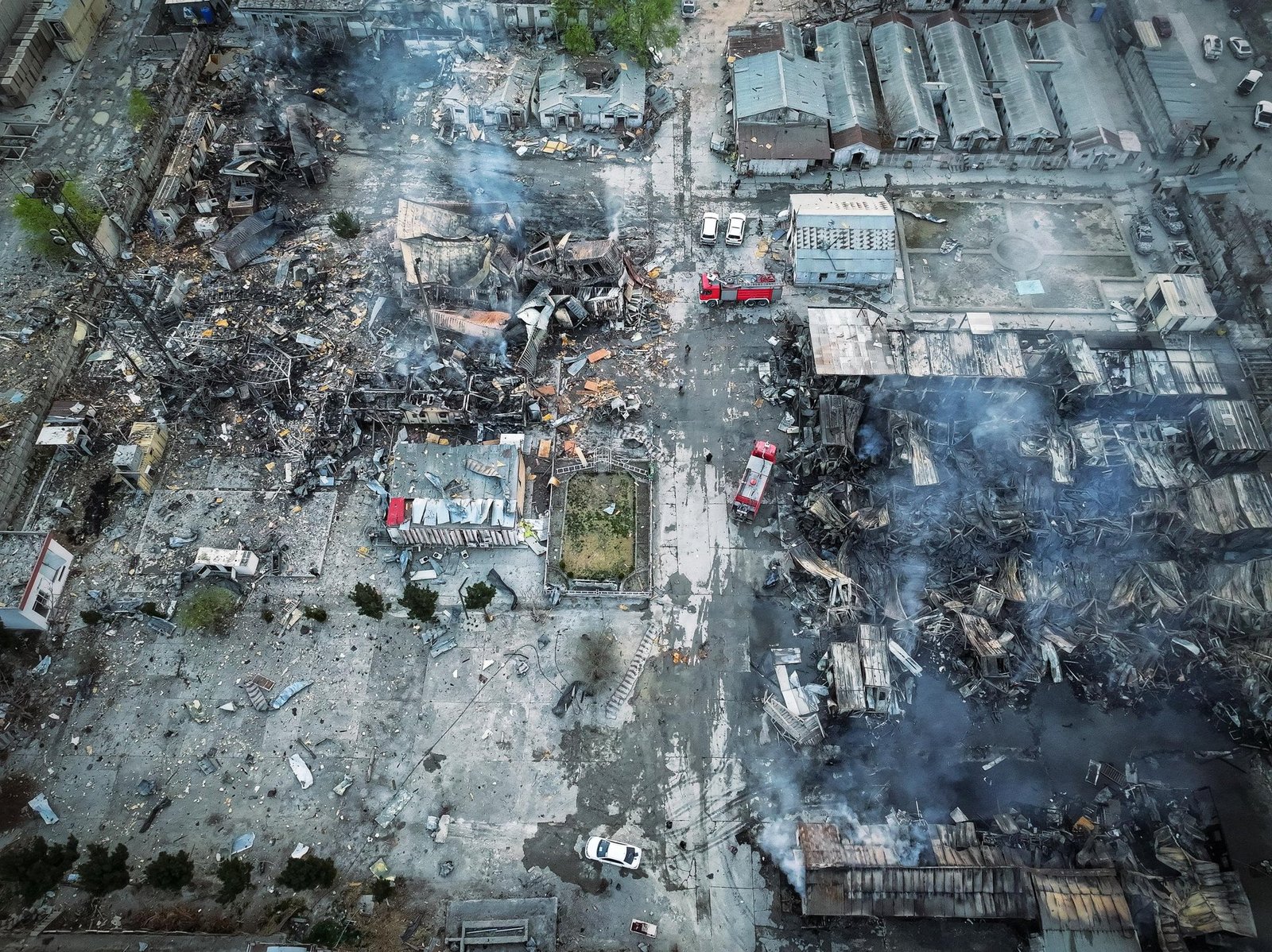
Pakistani jets recently bombed the Omid Addiction Treatment Hospital in Kabul, Afghanistan, a facility with 2,000 beds dedicated to helping patients recover from drug addiction.
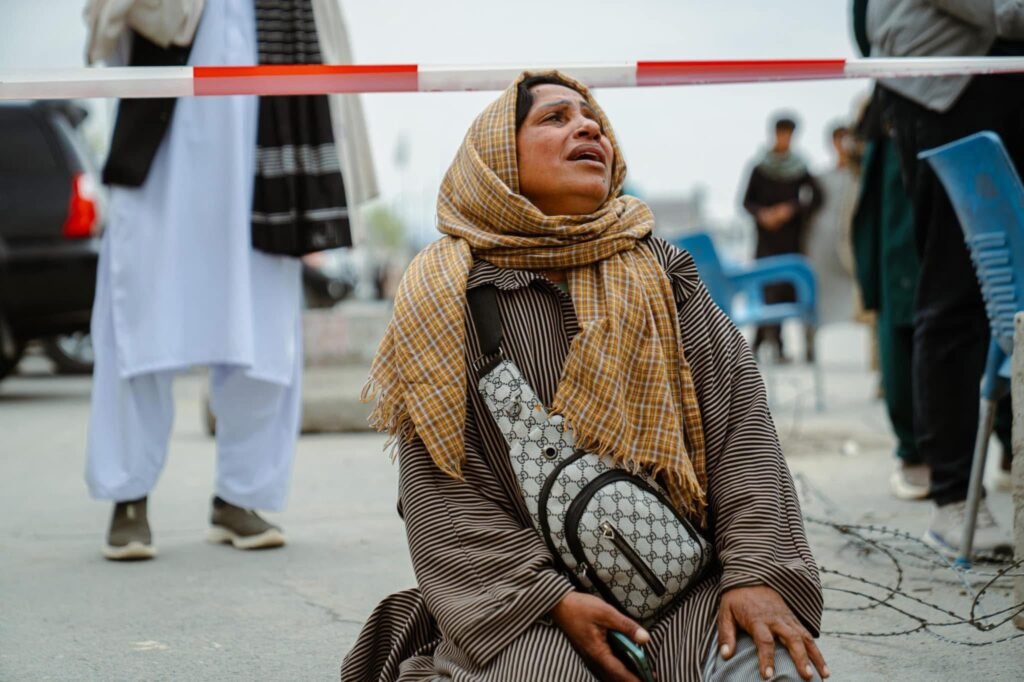
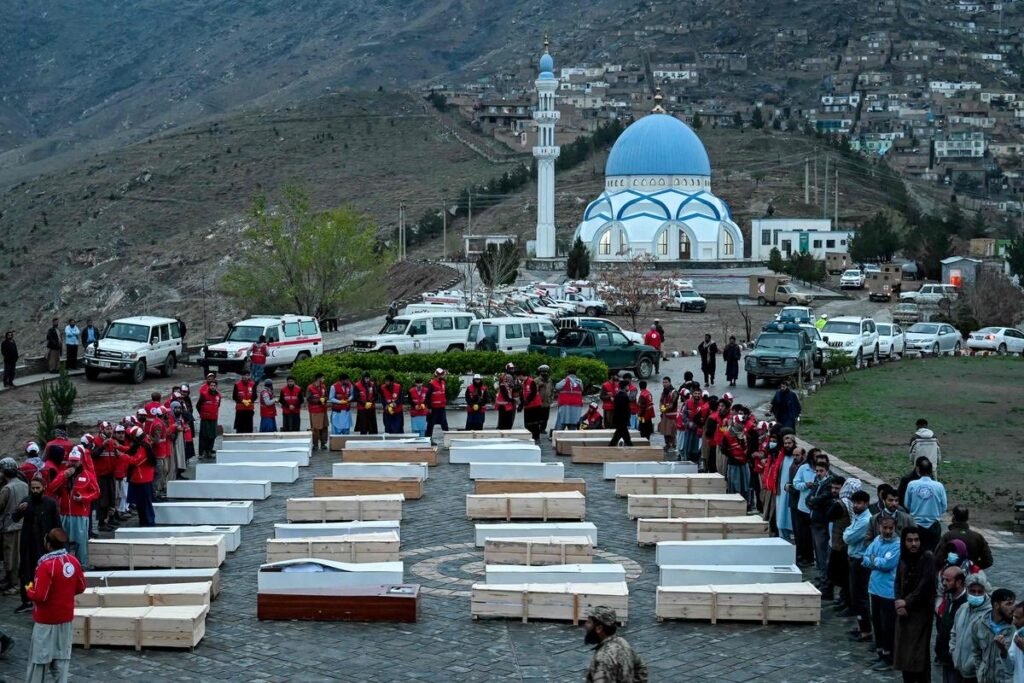
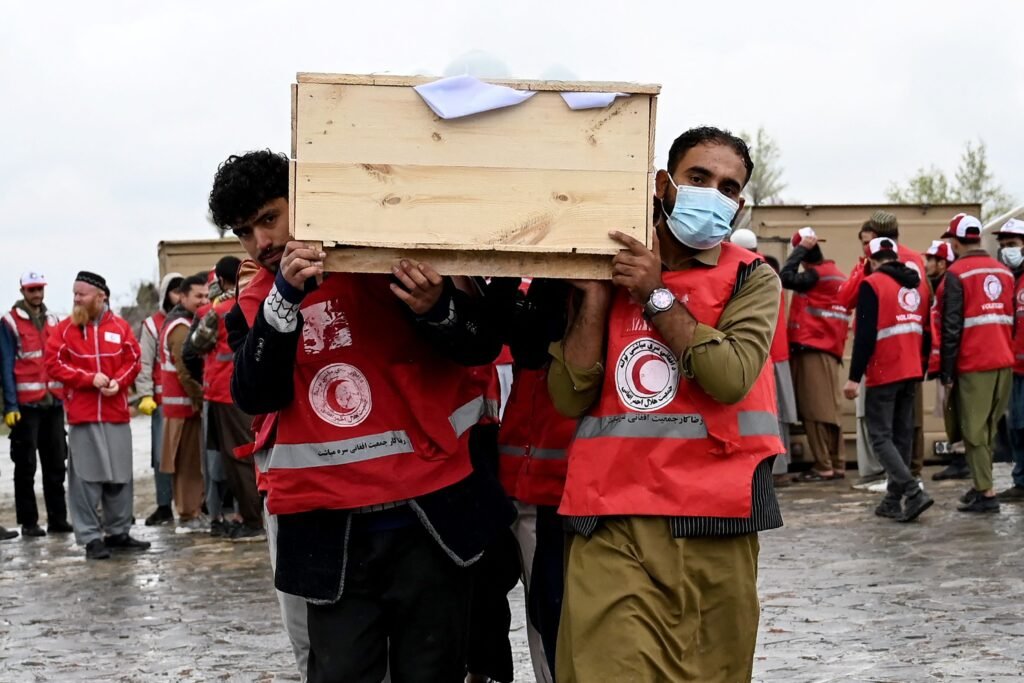
Authorities in Afghanistan, along with the United Nations Assistance Mission in Afghanistan (UNAMA) and various news agencies, reported that more than 400 people were killed and 265 were injured.
Pakistan has denied targeting the hospital, saying it aimed only at military installations and terrorist support infrastructure.
As a former commissioner at the Afghanistan Independent Human Rights Commission and a legal scholar focused on accountability for civilian harm, I view this incident as a serious violation of international humanitarian law, with profound implications for one of the most vulnerable groups: those struggling with addiction.
The chain of human casualities
The incident at Omid Hospital is a critical moment in the ongoing conflict, which dates back to late February, when Pakistani forces conducted airstrikes in the eastern provinces of Nangarhar and Paktika.
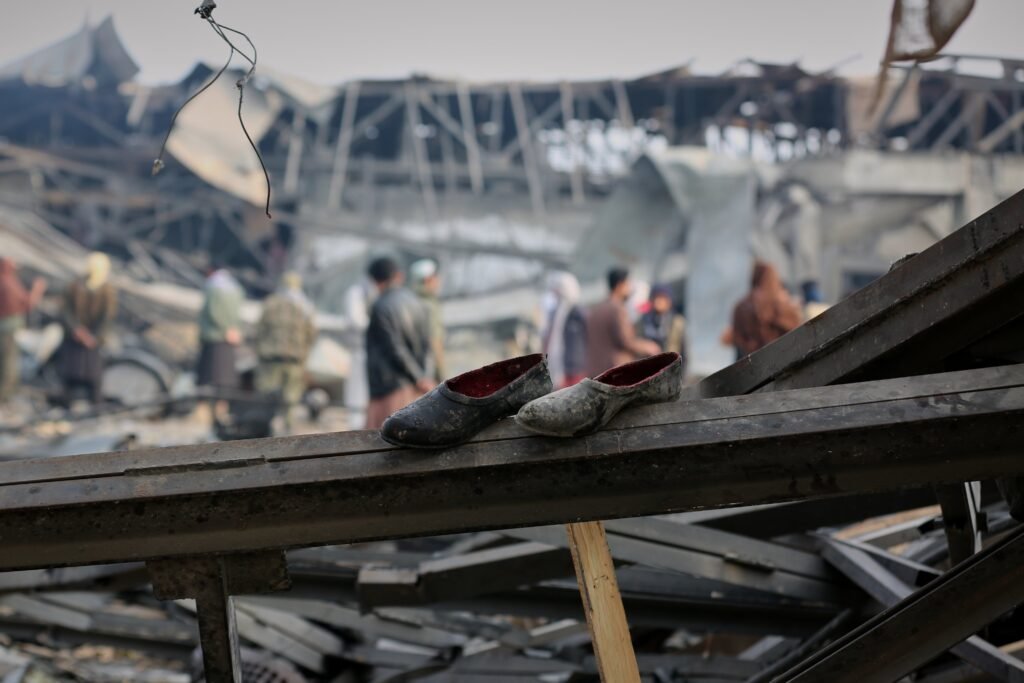
According to UNAMA, the strikes in Nangarhar resulted in at least 13 civilian deaths and seven injuries, including women and children from the same family. In Paktika, a strike impacted a madrassa and damaged a mosque, a centre for religious education, in the Barmal district Pakistan then officially initiated Operation Ghazab lil-Haq on Feb. 26, leading to an escalation of violence targeting non-military sites. The first phase of the attacks lasted six days, during which UNAMA reported 42 civilian fatalities and 104 injuries.
By March 6, these figures had risen to 56 dead and 129 injured, with 55 per cent of the casualties being women and children. Approximately a week later, just three days before the Omid strike, the toll reached 75 dead and 193 injured. The UN humanitarian office warned of significant displacement and disruptions to aid efforts across the affected provinces.
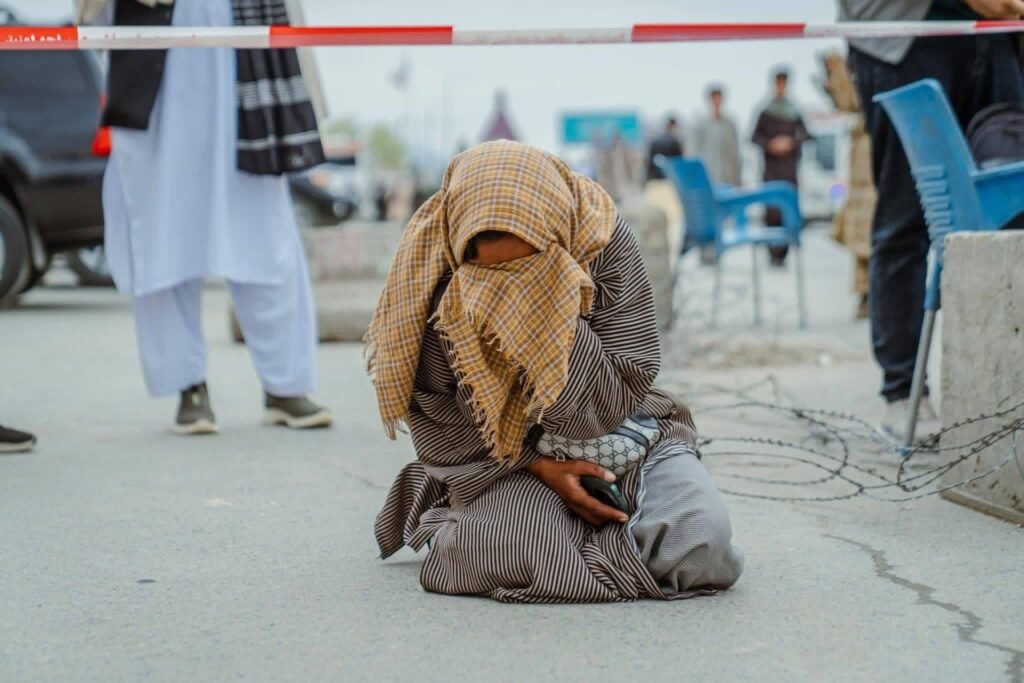
Then, on March 16, the attack on Omid Hospital occurred. The severity of this incident highlighted the alarming reality of systematic violations of humanitarian law within the ongoing conflict Why does a drug treatment hospital matter?
Afghanistan is grappling with one of the most severe addiction crises in the world, exhibiting some of the highest drug use rates globally.
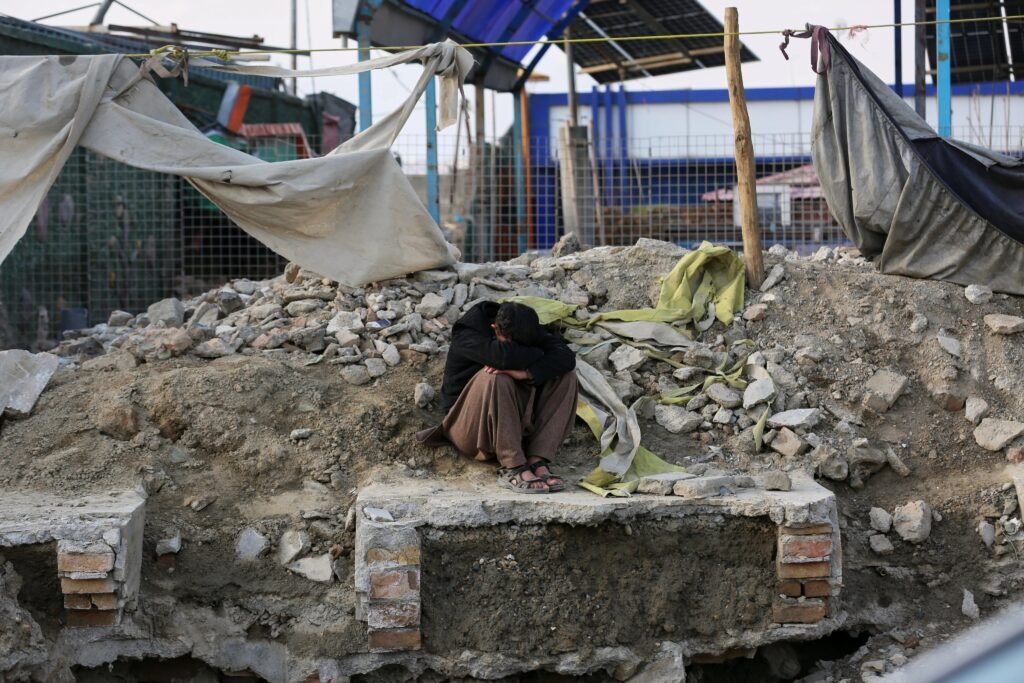
A 2025 report by the United Nations Office on Drugs and Crime (UNODC) described the situation as “a pressing but less understood dimension” of the drug economy.
Treatment facilities are critically limited, and international donors have largely withdrawn since the Taliban assumed power in 2021.
Attacking a facility like Omid Hospital not only endangers its patients but also undermines one of the few remaining care structures for a population that has suffered through more than five decades of conflict and war.
What the international law says
The rules safeguarding hospitals during wartime are longstanding. According to the Geneva Conventions and their Additional Protocols, medical facilities “shall be respected and protected in all circumstances” and cannot be targeted. A hospital can lose this protection only if it is being used for hostile activities. Even in such cases, the attacking force is required to issue a warning and provide time before proceeding.
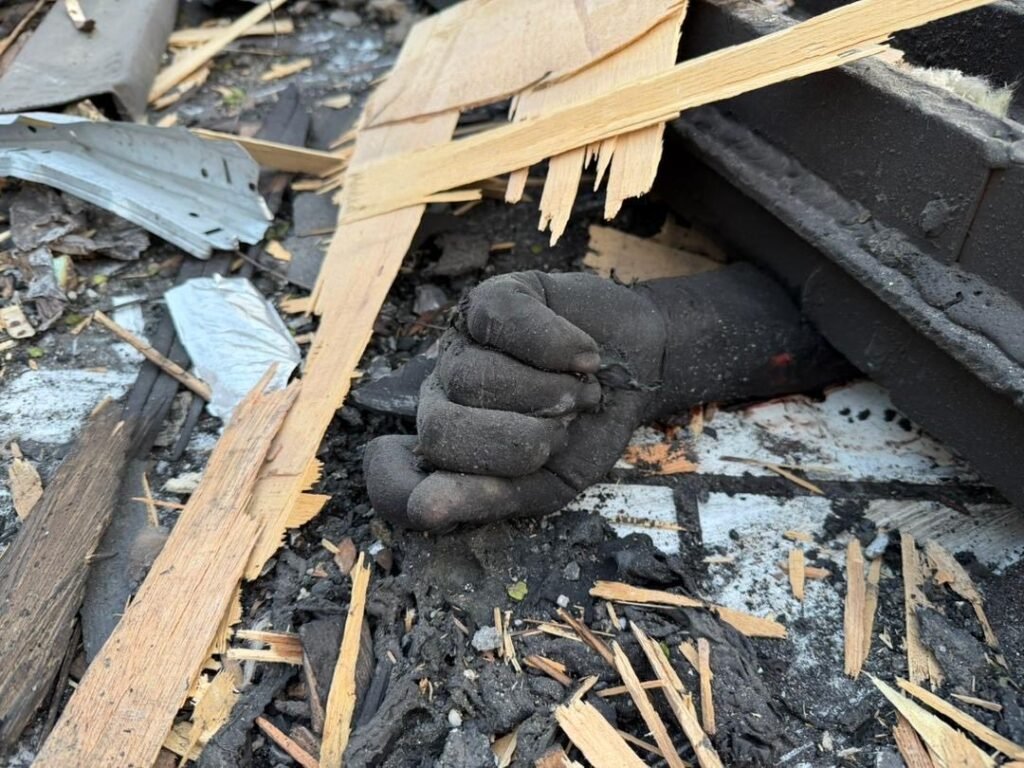
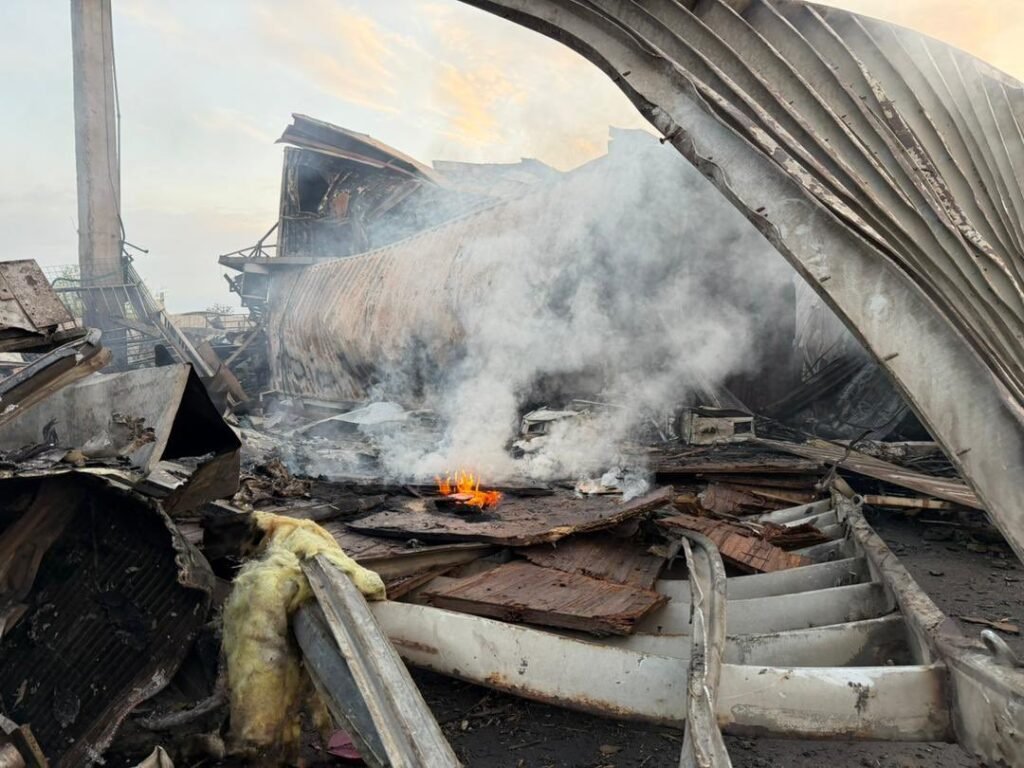
There is no evidence Pakistan issued a warning to the Omid facility, nor has the country made such a claim. Pakistan asserts that the building contained ammunition, citing secondary explosions as a primary cause of the incident.
But even if that’s true, international law stipulates that any anticipated civilian harm must not be “excessive in relation to the concrete and direct military advantage anticipated.” The destruction of suspected weapons cannot justify the deaths and injuries of hundreds of civilians.
A conflict the world isn’t watching
Despite a death toll surpassing many incidents that have captured headlines in other conflicts, this conflict is receiving scant attention from the West.
This is likely because the Taliban, which provides the casualty figures, is not viewed as a reliable source. Similar death toll claims by the Gaza Health Ministry faced scrutiny for years before the Israeli military finally validated them. UNAMA is now providing independent verification in Afghanistan.
The Omid strike is reminiscent of the 2015 United States airstrike on the Médecins Sans Frontières (MSF)/Doctors Without Borders trauma centre in Kunduz, in northern Afghanistan, that resulted in the deaths of 42 people.
The U.S. military acknowledged its failure to verify the target, and no one faced prosecution. Following Kunduz, MSF president Joanne Liu stated: “Today we say enough. Even war has rules.”
A decade later, these rules are once again being challenged amid the devastation of another Afghan hospital and other civilian targets. Scholars, along with various international organizations, are raising alarms that international humanitarian law is increasingly being ignored due to the normalization of attacks on health-care facilities.
Will anyone enforce the rules?
The strike on the Omid hospital raises concerns not only about the ambiguity in applying international law, but about the enforcement of international humanitarian law and the mechanisms for its implementation.
Strikes on hospitals in Kunduz, Aleppo in Syria and Mariupol in Ukraine led to reports and condemnations, yet none resulted in prosecutions or future enforcement of humanitarian laws.
If the Omid strike follows the same trajectory, it will confirm my greatest concern in my research: that the laws of war, at best, are capable of documenting atrocities but not preventing them. The actions taken by the international community now will determine whether these rules are enforced.
